February 3, 2026
Plumbing systems represent the silent circulatory network of a modern residence. They deliver fresh water for consumption and hygiene while whisking away waste through a complex series of pipes, valves, and fixtures. However, because much of this infrastructure remains hidden behind drywall or beneath flooring, homeowners often fail to notice the early warning signs of degradation. A small drip beneath a sink or a subtle hiss from a bathroom fixture might seem like a minor annoyance, but these issues frequently escalate into catastrophic water damage and mold growth.
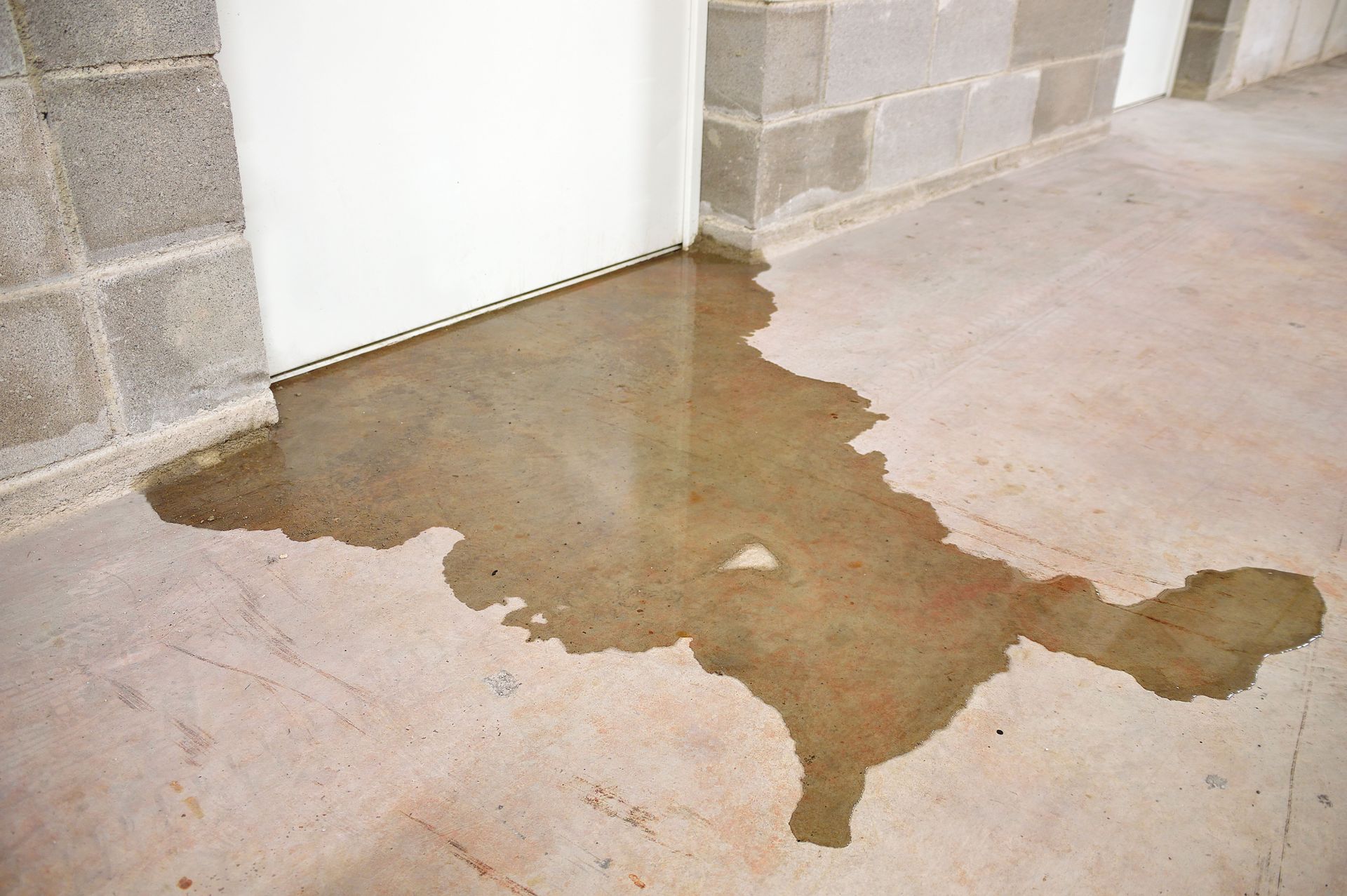
One of the primary reasons to address plumbing concerns immediately is the sheer volume of resource waste associated with hidden drips. According to Plumbing Manufacturers International, 10% of households have leaks that waste at least 90 gallons of water per day. This statistic highlights the discrepancy between what a homeowner perceives as a small problem and the actual environmental and financial impact of a malfunctioning system. By identifying the most frequent culprits behind residential water loss, property owners can take proactive measures to secure their plumbing before an emergency occurs.
Analyzing Common Residential Water Issues
Every plumbing fixture in a house is a potential point of failure. While some issues are caused by the natural lifespan of materials, others are the result of environmental factors or improper maintenance. To effectively manage a property, one must be able to categorize and identify the specific mechanical failures that lead to moisture intrusion. From high-pressure situations to simple seal failures, the following sections detail the most prevalent reasons why your home might be losing water.
Replacing Corroded Pipe Materials
Corrosion is a relentless enemy of older plumbing systems. For a long time, homes were outfitted with galvanized steel or copper piping that, while durable, eventually succumbed to the chemical properties of the water it carried. Over time, the internal lining of these pipes begins to oxidize, leading to rust buildup and thinning walls. This process is often accelerated by high mineral content or an acidic pH balance in the local water supply. As the metal degrades, pinhole leaks form, often in areas that are difficult to access, such as inside walls or within crawlspaces.
If a resident notices a metallic taste in their water or a brownish tint when the faucet is first turned on, it is often a sign of advanced internal corrosion. Replacing these segments with modern materials like PEX or high-density plastic can eliminate the risk of a sudden burst. Ignoring corrosion not only leads to water loss but also risks significant property damage when a weakened pipe finally fails under the pressure of the municipal supply.
Adjusting Excessive Water Pressure
While high water pressure might make for an invigorating shower, it is a leading cause of premature plumbing failure. Most residential systems are designed to operate within a specific range of pressure. When the pressure exceeds these limits, it places immense stress on every joint, seal, and appliance in the home. This constant strain can cause pipes to rattle — a phenomenon known as water hammer — and eventually leads to the failure of flexible hoses and valve seats.
A common sign of pressure-related issues is a toilet leaking through the fill valve or a kitchen faucet that drips only during the middle of the night when municipal demand is low and pressure peaks. Installing a pressure-reducing valve at the main water entry point can protect the entire system. By maintaining a moderate flow, homeowners can extend the life of their water heaters, dishwashers, and washing machines while preventing the sudden ruptures that high-pressure environments often trigger.
Resealing Damaged Fixture Joints
The joints where pipes meet fixtures or turn corners are the most vulnerable points in any plumbing layout. Over years of use, vibrations and temperature changes can loosen these connections. Furthermore, the rubber gaskets in sink drains eventually become brittle and crack, allowing water to seep out. This seal degradation is also a frequent cause of a toilet leaking at the supply line or mounting bolts.
Checking for moisture inside vanity cabinets or behind appliances is a necessary part of home maintenance. Often, a slow drip is only evident by the presence of a water stain or a musty odor. If a seal has failed, simply tightening the connection or replacing the old gasket with a fresh one can resolve the issue.
Clearing Stubborn Drain Clogs
Clogs are more than just a nuisance; they are a major driver of plumbing stress. When a drain becomes obstructed by hair, grease, or foreign objects, the resulting backup creates localized pressure within the drainage pipes. This pressure can force water through the seals of the drain assemblies or cause secondary leaks at the overflow drains.
Using chemical drain cleaners is often a counterproductive solution, as the harsh acids can eat away at the interior of metal pipes, causing even more leaks over time. Instead, manual clearing methods such as snaking or hydro-jetting are preferred. By maintaining clear pathways for wastewater, homeowners reduce the "back-pressure" that often leads to a toilet leaking from the wax ring at the base or a bathtub drain seeping into the floorboards below.
Monitoring Degraded Valve Components
Valves are the gatekeepers of the plumbing system, responsible for starting and stopping the flow of water at a moment's notice. Inside every faucet, showerhead, and shut-off valve is a series of washers and cartridges designed to hold back water. Because these components are frequently in motion, they are subject to significant wear and tear. When a washer becomes flattened or a cartridge gets scored by sediment, the valve can no longer close completely.
A dripping faucet might seem like a small concern, but it is often the precursor to a larger failure. Similarly, a toilet leaking internally from a degraded flapper valve can waste thousands of gallons of water over a single month. These repairs are typically inexpensive and involve replacing small rubber or plastic parts.
Understanding Toilet Failures Specifically
Among all the fixtures in a home, the toilet is the most likely to experience a leak. Because it holds a large volume of water and relies on several gravity-fed valves, there are multiple areas where a failure can occur. A toilet leaking into the bowl from the tank is often silent, making it one of the most difficult issues to detect without active testing. Adding a few drops of food coloring to the tank and waiting to see if the color migrates to the bowl without flushing is a simple way to verify an internal leak.
Furthermore, a toilet leaking around its base indicates a failure of the wax ring that seals the fixture to the closet flange. This is a serious issue, as the water leaking out is often wastewater, which can rot the subfloor and create unsanitary conditions. If the fixture wobbles or if there is a persistent sewer smell in the bathroom, the seal likely needs to be replaced. Addressing a toilet leak promptly prevents structural damage and ensures the bathroom remains a hygienic environment.
Plumbing leaks are an inevitable part of homeownership, but they do not have to be a source of constant stress. By staying vigilant and understanding the common causes — ranging from pipe corrosion and high pressure to clogs and valve failure — you can catch problems while they are still small. Regular inspections of high-risk areas like the bathroom and kitchen are essential.
If you suspect your toilet is leaking or need a professional inspection to ensure your system is running efficiently, contact Amanda Plumbing Sewer & Drain for expert assistance and reliable solutions.