July 30, 2026
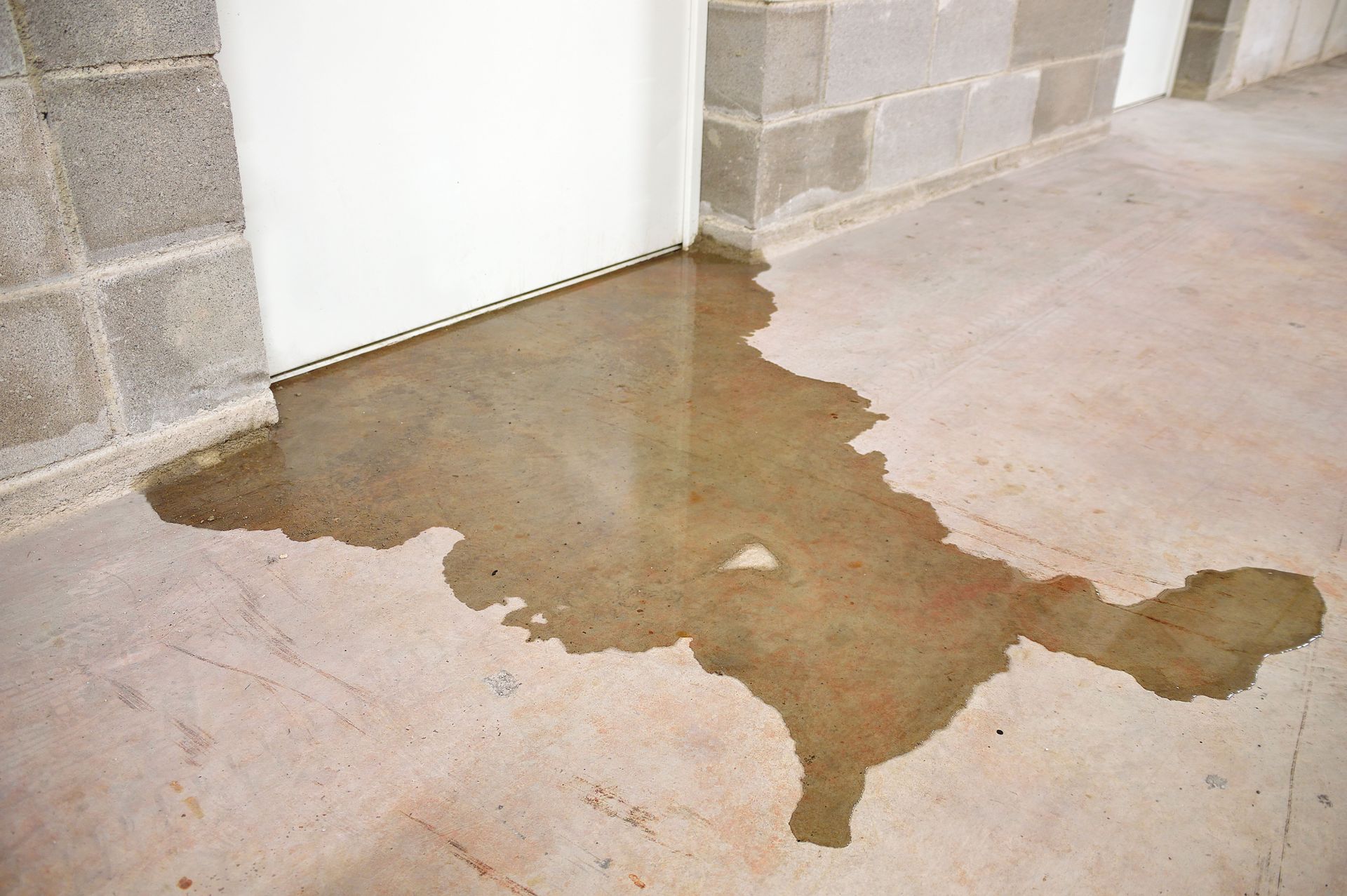
Water penetration is among the most destructive forces a residential structure can face. When soil becomes saturated from persistent rainfall, melting snow, or rising water tables, hydrostatic pressure builds against foundation walls and basement floors. This pressure forces water through hairline cracks, cold joints, and porous concrete, leading to structural instability, efflorescence, and widespread mold growth. To combat this intrusion, homeowners rely on subsurface drainage systems to capture water before it can infiltrate living spaces.
Identifying Mechanical Failures Early
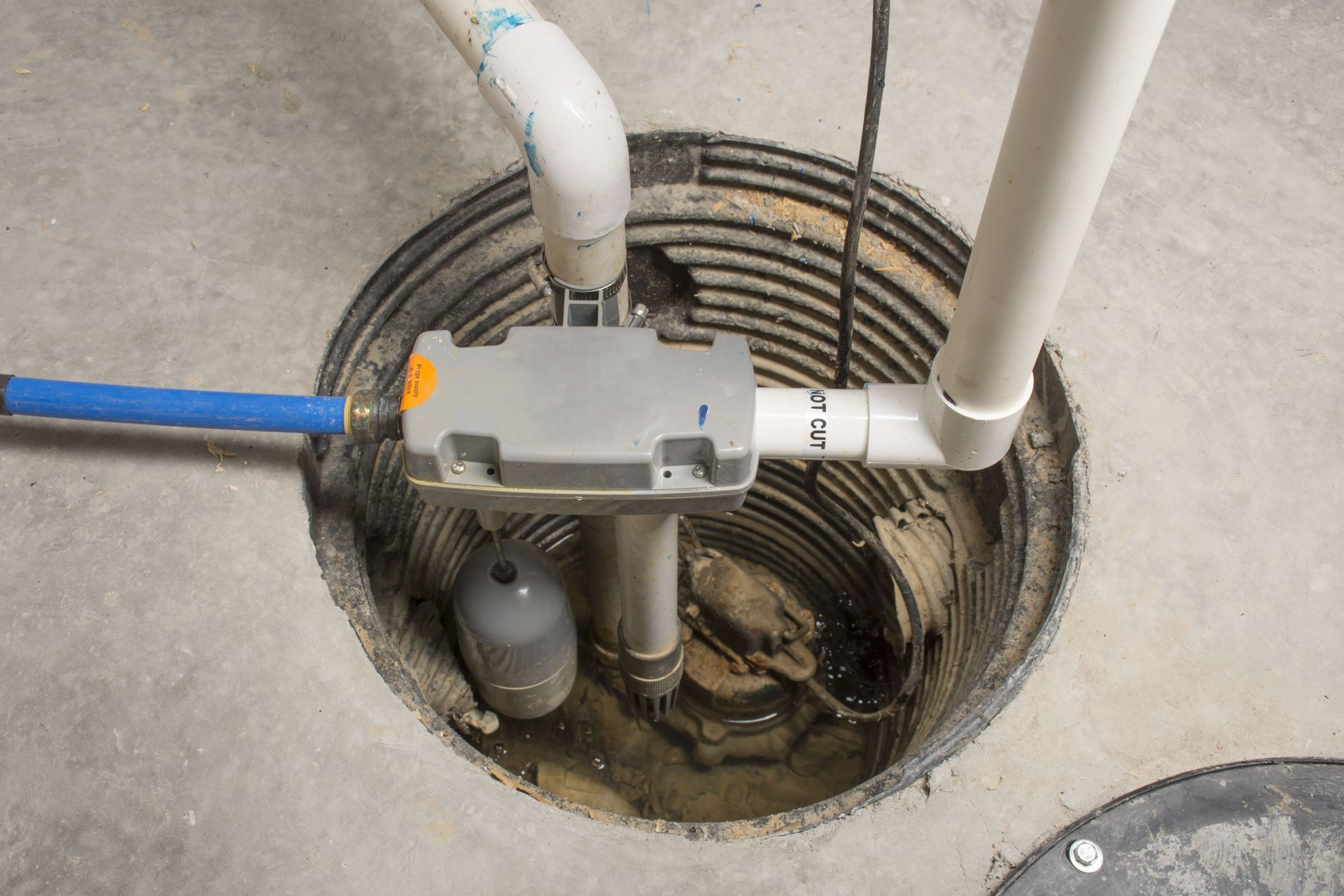
Mechanical breakdown is a primary cause of basement flooding, yet many property owners overlook warning signs until a severe storm occurs. Submersible pumps rely on hermetically sealed motors that generate heat during operation. If a unit cycles on and off rapidly, a condition known as short-cycling, the motor overheat protection may trip, leaving the system inoperable. Unusual noises, such as grinding, humming, or rattling, indicate worn bearings or impeller obstructions. Recognizing these audible cues allows technicians to diagnose problems before the motor seizes completely.
Another common point of failure involves the float switch, which serves as the mechanical sensor responsible for activating the system as water levels rise. Floating mechanisms often become wedged against the side of the basin due to vibration or shifting hoses, preventing the switch from engaging. In other instances, electrical contacts inside the switch degrade from continuous arcing and moisture exposure. Periodic testing of the vertical or tethered float ensures the activation mechanism moves freely and triggers the motor at the correct water elevation.
Timely sump pump repairs restore reliability to these critical components, preventing minor malfunctions from escalating into total system failures. Technicians can replace faulty switches, clear jammed impellers, and install vibration-reducing pads to stabilize the unit within the pit. Replacing worn components during dry weather periods eliminates the risk of an emergency shutdown during heavy downpours. Proactive maintenance of mechanical parts extends the functional lifecycle of the motor and reduces overall operating strain.
According to HomeGuide, interior French drains and sump pumps can remain functional for 20 to 30 years if properly maintained. Achieving this lifespan requires routine evaluation of the motor housing, power cords, and internal seals. Neglecting small mechanical irregularities inevitably shortens equipment longevity and increases the probability of foundation saturation. Investing in preventive care ensures the drainage system remains capable of handling maximum hydrostatic loads without interruption.
Preventing Hydraulic Blockages Daily
Even a motor in peak condition cannot protect a foundation if the hydraulic pathways become obstructed. Water entering the collection pit carries silt, clay, iron bacteria, and other mineral deposits that accumulate over time. This debris settles at the bottom of the basin, gradually encroaching on the intake screen of the pump. If sediment clogs the intake grate, the motor will run continuously without pumping water, resulting in rapid overheating and eventual burnout.
The discharge pipe that routes water away from the foundation is equally vulnerable to hydraulic resistance and blockage. Freezing weather presents a significant hazard, as ice can form inside poorly sloped or uninsulated exterior discharge lines. When the exit path freezes solid, the pump cannot evacuate water, causing the basin to overflow onto the basement floor. Installing freeze-resistant fittings and ensuring a continuous downward slope along the exterior pipe prevents wintertime discharge failures.
Check valves represent another vital hydraulic component that requires regular inspection and occasional replacement. Positioned on the vertical discharge pipe above the motor, the check valve prevents pumped water from falling back into the basin after the motor shuts down. A malfunctioning check valve allows water to cycle backward, forcing the pump to eject the same volume of water repeatedly. Skilled sump pump repairs address failing check valves by installing durable, quiet-closing replacements that eliminate water backflow and mechanical hammering.
Maintaining clear hydraulic pathways involves periodic flushing of the collection pit and chemical treatments to dissolve iron ochre formations. Removing sediment buildup ensures water flows freely into the intake screen without starving the impeller. Regular visual inspections of the discharge route verify that the exit point remains unobstructed by mulch, vegetation, or garden borders. Unobstructed hydraulic flow reduces mechanical strain and guarantees efficient water evacuation away from structural footings.
Mitigating Flood Risks Permanently
Power outages frequently coincide with severe weather events, creating an immediate flood hazard for homes with single-pump setups. Primary pumps rely on utility electricity, rendering them useless during grid failures precisely when stormwater intrusion peaks. Installing a secondary, battery-backup pumping system provides an independent line of defense against rising groundwater. Advanced backup systems monitor battery health, pumping capacity, and utility power status, sounding alarms when intervention is required.
In addition to auxiliary power, system capacity must match the maximum influx of water experienced during seasonal thaws and cloudbursts. A standard residential pump may struggle to keep pace if heavy soil saturation forces excessive volume into the perimeter drains. Upgrading to a high-capacity pump or installing a dual-pump configuration within an enlarged basin prevents water from exceeding the rim. Dual systems can operate simultaneously during high-volume events, effectively doubling the evacuation rate.
Professional sump pump repairs often reveal structural inadequacies in the original installation, such as undersized discharge pipes or improper basin depths. Correcting these installation flaws requires adjusting the pit elevation to ensure the water table remains below the basement floor slab. Technicians may also reroute exterior discharge lines to terminate further from the home, preventing evacuated water from seeping back into the soil near foundation walls. Structural optimizations transform an underperforming drainage setup into a robust moisture management barrier.
Comprehensive flood mitigation also requires evaluating the integrity of the interior perimeter drainage channels connected to the basin. If sub-floor drain pipes become crushed or filled with roots, water cannot reach the pump, leading to hydrostatic pressure build-up under the concrete slab. Inspecting and clearing these lateral channels ensures uniform water collection across the basement footprint. Combining effective lateral drainage with optimized pumping capacity eliminates standing water and preserves foundation stability.
Establishing Ongoing Maintenance Yearly
Achieving long-term protection against foundation damage requires transitioning from reactive troubleshooting to structured, ongoing maintenance. Annual inspections by qualified technicians provide a comprehensive evaluation of the entire drainage ecosystem. These checkups include testing electrical consumption, measuring amperage draw, and checking the resistance of motor windings to predict impending failures. Documenting operational metrics over several seasons allows technicians to recommend component replacements before emergency situations arise.
Homeowners can supplement professional evaluations by performing simple observational checks throughout the rainy seasons. Pouring water into the pit to manually trigger the switch confirms that the system activates, evacuates the basin, and deactivates smoothly. Observing the discharge point outside verifies that water exits at an adequate velocity and flows away from the structure without pooling. Any deviation from normal operation warrants immediate investigation by a drainage specialist.
Scheduling professional sump pump repairs at the first sign of sluggish performance or intermittent operation prevents costly water damage restoration. Replacing minor components, such as float brackets, discharge gaskets, or battery terminals, costs significantly less than remediating a flooded basement. Consistent mechanical upkeep preserves the structural foundation by ensuring groundwater never reaches elevations where it can weaken footings or crack floor slabs.
A well-maintained pumping system serves as the primary safeguard against soil erosion beneath foundation footings. When groundwater is systematically removed, soil moisture levels remain stable, preventing the ground from settling or shifting beneath the home. Regular maintenance ensures the system is ready to handle extreme weather, protecting structural investments from groundwater infiltration. Prioritizing yearly drainage system care ensures dry basements, clean air, and enduring structural integrity.
Investing in timely sump pump repairs and professional maintenance schedules guarantees that drainage systems operate at peak efficiency during severe weather. Whether addressing a malfunctioning float switch, replacing a worn check valve, or upgrading to a battery-backed dual system, every improvement strengthens the moisture barrier around the home. With correct mechanical oversight, residential foundations remain dry, secure, and resilient against groundwater hazards. If you are noticing unusual noises or sluggish drainage in your basement, contact our team at Amanda Plumbing today for reliable sump pump repairs before the next heavy storm hits. We are ready to inspect your drainage system and ensure your foundation remains protected year-round.