October 8, 2026
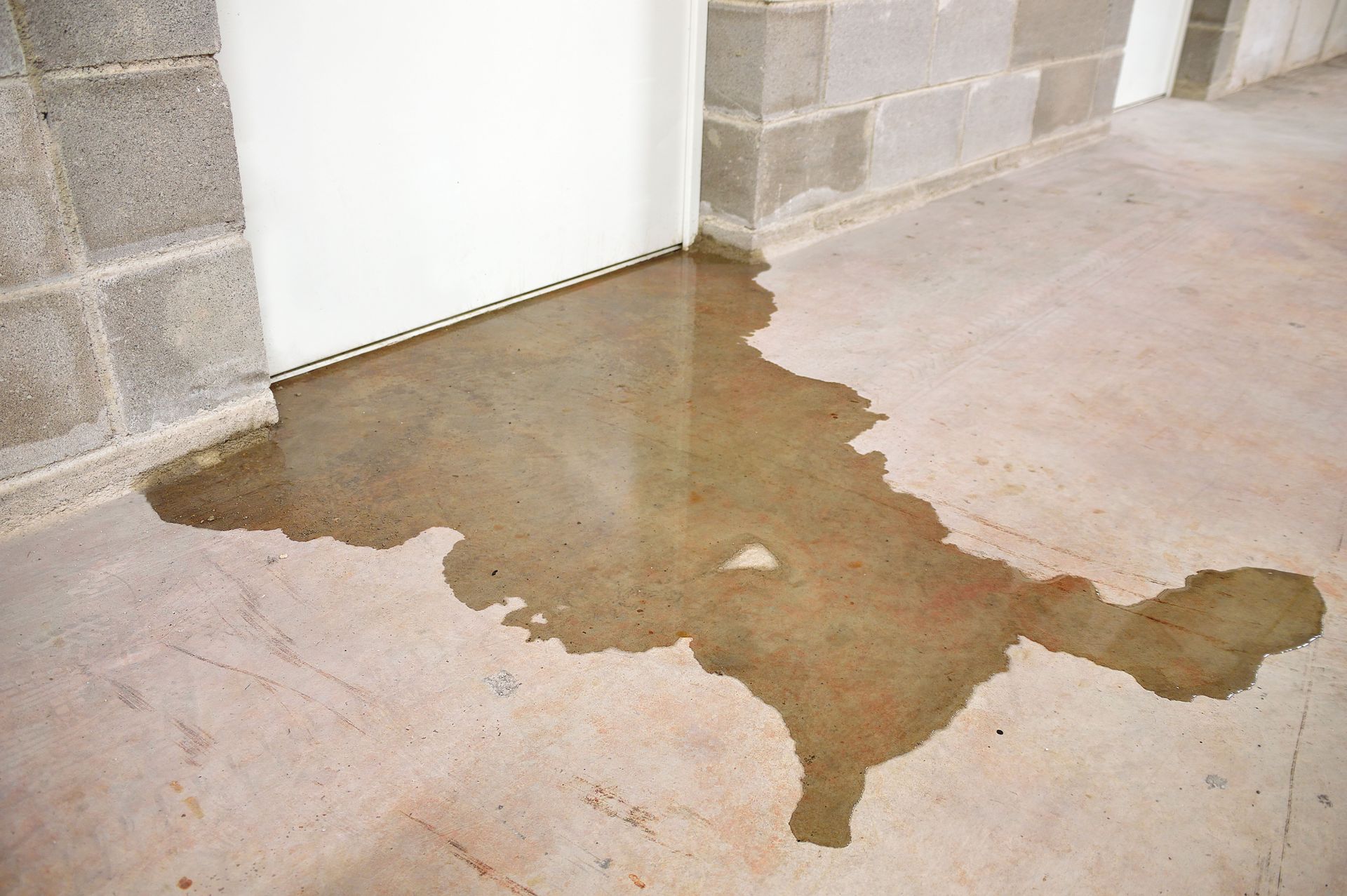
Regular inspections from a plumbing company are crucial for maintaining a functional and efficient plumbing system in any home. These inspections are designed to catch potential issues early, ensuring small problems do not escalate into major repairs. Water leakages, for example, can contribute to substantial water wastage if left unattended. According to Plumbing Manufacturers International, a staggering 10% of households have leaks that waste at least 90 gallons of water per day. Thus, understanding how plumbing inspections work, and what to expect, can empower homeowners to take better care of their systems. In this article, we will explore the objectives of plumbing inspections, preparation tips, areas covered during the inspection, common issues identified, post-inspection actions, and the long-term benefits of regular inspections from a plumbing company.
Understanding the Purpose of a Plumbing Inspection
Identifying Potential Issues Early
Plumbing inspections are essential for spotting potential problems before they develop into costly repairs. Early identification of issues such as leaks, corrosion, or worn-out fixtures enables homeowners to address these problems swiftly. This preventive maintenance approach helps avoid water damage, which can lead to expensive and extensive repairs to a home's structure.
Spotting issues early also reduces the likelihood of emergency callouts, which are often more costly than scheduled repair appointments. By identifying and resolving smaller problems during routine inspections, homeowners can maintain uninterrupted water services and avoid inconvenient disruptions in their daily routines. Ultimately, proactive plumbing maintenance can lead to a reduction in overall repair costs.
Moreover, regular inspections allow homeowners to plan for future repairs or system upgrades. A thorough inspection report outlines the current state of the system, providing a roadmap for maintenance and capital improvements. This foresight is particularly useful for budgeting purposes, ensuring that unexpected problems do not lead to financial burdens.
Ensuring Compliance with Local Codes
During a plumbing inspection, the inspector assesses whether the plumbing systems conform to local building codes. Compliance with these codes is crucial for ensuring safety, functionality, and efficiency of the plumbing system. Inspectors have a comprehensive understanding of the standards, enabling them to identify non-compliance issues that homeowners may overlook.
Building codes are updated periodically, and staying compliant may require modifications to existing systems. A plumbing inspection offers homeowners the peace of mind that their systems meet current standards. Ensuring compliance not only promotes safety but also prevents potential legal issues that could arise from violating codes.
Additionally, compliance plays a crucial role in real estate transactions, as non-compliant systems can affect property valuation and complicate the selling process. By regularly inspecting and updating plumbing systems to meet code requirements, homeowners can protect their investment and maintain property value.
Prolonging the Lifespan of Plumbing Systems
Routine plumbing inspections are instrumental in extending the lifespan of plumbing systems. Systems that are regularly maintained are less likely to experience frequent failures and costly breakdowns. Inspections identify wear and tear, prompting timely repairs that prevent further damage to the system.
Components like water heaters, faucets, and pipes all benefit from routine checks that identify potential issues before they develop into serious failures. Inspectors can recommend preventive maintenance strategies to enhance durability and extend the functionality of these components. This proactive care approach reduces the frequency of replacements and extends the longevity of plumbing systems.
Moreover, consistent care ensures that plumbing systems operate at optimal efficiency, reducing the strain on different components. This ultimately translates into lower utility bills, as efficient systems consume less energy and water. Homeowners can enjoy a comfortable living environment without worrying about constant plumbing problems.
Protecting Property Value
Plumbing inspections serve as a valuable tool for preserving and enhancing property value. Homes with well-maintained plumbing systems are more attractive to potential buyers, showcasing reliability, efficiency, and safety. A comprehensive inspection report can reassure prospective buyers about the condition of the plumbing system, facilitating smoother property transactions.
Neglecting plumbing maintenance can lead to deteriorating conditions that harm the property's structural integrity. Water damage, for instance, can compromise foundations, walls, and flooring, diminishing the home's overall value. Routine inspections help prevent these issues and protect the investment homeowners have made in their properties.
Additionally, maintaining a history of regular inspections and repairs can serve as a testament to responsible homeownership. This historical data can be valuable during appraisal activities, as it demonstrates ongoing care and commitment to property upkeep. Consequently, regular plumbing inspections contribute positively to property value by ensuring systems remain in optimal condition.
Key Areas Covered During the Inspection
Checking Water Heater Condition
Water heaters are a critical component of home plumbing systems, and their condition is comprehensively assessed during inspections. Inspectors evaluate the heater's age, efficiency, and overall performance. Potential signs of wear, such as rust, noise, or inconsistent water temperature, are thoroughly investigated.
Regular inspections help identify issues such as sediment buildup, which can affect the heater's efficiency and lifespan. Addressing these problems early ensures the appliance continues to provide reliable hot water services to the household. Inspectors may recommend routine maintenance, like flushing sediment buildup, to optimize its performance.
Energy-efficient models, insulation solutions, and timer installations are explored during inspections to enhance performance and reduce energy consumption. Homeowners benefit not only from improved efficiency but also from potential energy savings reflected in reduced utility bills. Ultimately, assessing the water heater condition is crucial for sustaining a functional and cost-efficient plumbing system.
Evaluating Pipe Systems for Leaks or Corrosion
A vital aspect of plumbing inspections is the evaluation of the pipe system for leaks or corrosion. Since pipes are integral to water transportation within a home, their condition directly influences the system's overall performance and safety. Leaks, whether visible or hidden, contribute significantly to water waste.
Corroded pipes can lead to discoloration of water or even pipe bursts, posing risks to property integrity and safety. Inspectors scrutinize the pipes for signs of corrosion, deterioration, or improper installation. Promptly addressing corroded piping ensures reliable and clean water distribution throughout the home.
Moreover, inspectors often use advanced techniques like thermal imaging or acoustic sensors to detect hidden leaks within walls or floors. Identifying and remedying these issues contributes to maintaining property integrity, avoiding water damage, and enhancing the efficiency of the plumbing system. Proper pipe evaluation is key to sustaining an effective plumbing framework.
Assessing Drains and Waste Systems
During plumbing inspections, assessing drains and waste systems is crucial for identifying blockages, slow drainage, and other issues that can disrupt the plumbing system's operation. Functional drainage is essential for preventing wastewater backup and maintaining a hygienic home environment.
Inspectors review various aspects of the drainage system, including traps, venting systems, and sewer line connections. They check for any signs of clogs, standing water, or unpleasant odors, which often indicate blockages and insufficient water flow. Early interventions can prevent more severe drainage problems in the future.
Advancements such as camera inspections enable inspectors to survey even hard-to-reach pipes and sewer lines, providing a comprehensive overview of their condition. Recommendations for regular cleaning or the installation of proper venting can enhance drainage efficiency. Maintaining a robust drainage and waste system ensures an uninterrupted and trouble-free plumbing experience.
Examining Water Pressure and Flow
Water pressure and flow are integral elements of a plumbing system's functionality, assessed thoroughly during inspections. Consistent and optimal water pressure ensures efficient operation of fixtures and appliances, facilitating daily household activities. Inspectors gauge the water pressure and assess flow rates at different access points within the home.
Fluctuations or irregularities in water pressure can signal problems such as blockages, leaks, or issues with pressure-regulating valves. Addressing these issues can prevent damage to plumbing fixtures and appliances, which can be sensitive to excessive pressure. Inspectors offer insights into pressure optimization to enhance performance and prevent premature wear on components.
The use of specialized equipment and techniques during inspections enables precise pressure assessment and flow measurement. Recommendations on upgrades or repairs based on these findings can improve overall system resilience and efficiency. Proper examination of water pressure and flow is key to ensuring reliable and consistent water delivery to the household.
A proactive approach to plumbing maintenance can significantly impact the lifespan of your plumbing, enhance home safety, and save you money in the long run. If you're looking for a reliable
plumbing company, reach out to Amanda Plumbing today!