August 31, 2026
Many homeowners view bathroom maintenance as a frustrating chore, yet proactive fixture updates actually represent one of the most effective strategies for reducing household expenses. A running tank or a subtle leak may seem minor at first, but left unaddressed, these issues silently inflated municipal utility bills while causing structural damage behind walls and under subfloors. By prioritizing timely toilet repair interventions and choosing high-efficiency component replacements, property owners can protect their building's foundation while keeping thousands of dollars in their pockets over the coming years.
Understanding the Financial Impact of Silent Bathroom Leaks
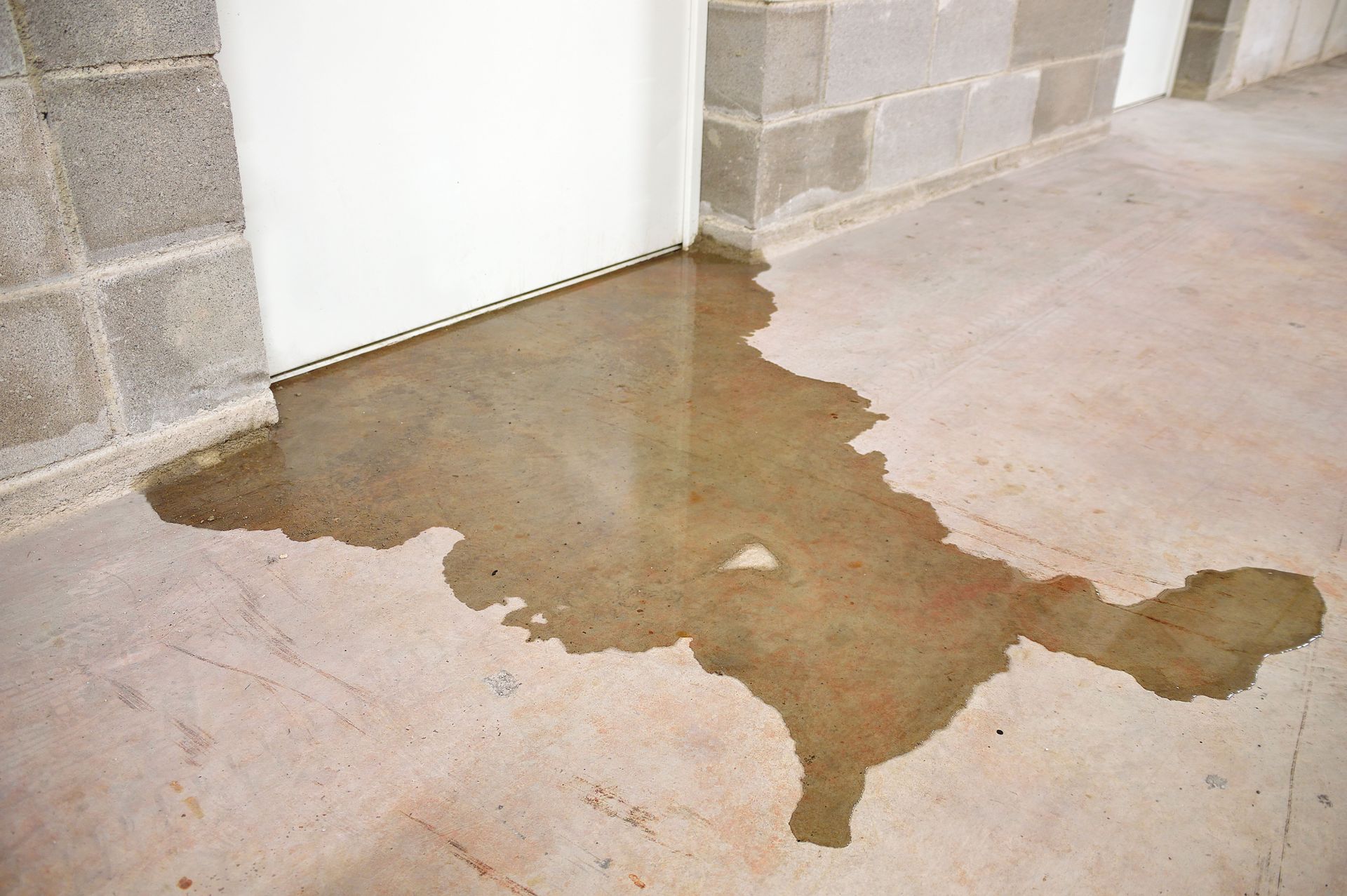
The financial drain of an unaddressed plumbing issue often goes unnoticed until the quarterly utility bill arrives. According to data provided by the Environmental Protection Agency, a typical American household can waste nearly 10,000 gallons of water annually through minor residential leaks, with a significant portion requiring timely toilet repair services to fix properly. When a tank mechanism fails, fresh water continuously trickles directly down the drain line uninterrupted for days or weeks at a time. This continuous flow can large amounts of purified water each day depending on municipal line pressure and fixture age. Beyond the immediate jump in monthly supply charges, continuous leakage increases pressure on sewer or septic systems, accelerating wear on sensitive environmental drainage infrastructure. Investing early in a targeted repair routine prevents this compounding resource drain, turning a potential ongoing money pit into a predictable, budget-friendly domestic system.
Replacing Worn Flappers to Prevent Constant Water Flow
At the bottom of every standard porcelain reservoir sits a small rubber disc responsible for holding back water until the flush handle is engaged. Over time, constant exposure to tap water chemicals, mineral deposits, and natural aging causes this rubber flapper to warp, crack, or become brittle. When the seal degrades, water leaks continuously into the bowl below, forcing the fill assembly to turn on repeatedly to top off the tank. Performing a swift toilet repair to replace a damaged flapper costs very little in terms of materials, yet it yields immediate savings on every subsequent utility billing cycle. Modern synthetic flappers are engineered using advanced chloramine-resistant polymers designed to withstand harsh municipal water additives without deteriorating prematurely. Homeowners who replace their old rubber components with these modern, durable alternatives gain long-term stability, ensuring their fixtures hold water tightly without wasting a single drop between uses.
Upgrading Faulty Fill Valves for Optimal Tank Regulation
The fill valve serves as the internal brain of the flushing reservoir, regulating how much water enters the tank after each cycle and shutting off the supply once the ideal depth is achieved. When internal diaphragms age or sediment builds up within the valve body, the assembly fails to shut off completely, letting excess water trickle directly into the vertical overflow tube. Tackling this issue with a targeted toilet repair restores precise volume control, stopping unnecessary overflow cold before it inflates your monthly expenses. Contemporary fill valves feature highly precise adjustment screws that allow users to calibrate tank water levels to the exact millimeter recommended by the manufacturer. By preventing overflow and ensuring only the required amount of water refills the reservoir, an upgraded valve protects homeowners from silent, continuous losses that accumulate silently over long periods.
Eliminating Base Leaks to Protect Bathroom Subflooring
Water pooling around the base of a porcelain bowl signals an urgent breakdown of the watertight seal securing the fixture to the drain pipe underneath. Each time the fixture is flushed, small amounts of wastewater escape past the deteriorated wax ring, soaking into the surrounding floor materials, underlayment, and wooden joists. Delaying this critical toilet repair can lead to extensive rot, structural instability, dangerous mold growth, and expensive subfloor replacement projects down the road. Replacing a dried-out wax ring with a modern, flexible rubber seal establishes a resilient barrier that withstands floor shifting and expansion better than traditional wax alone. Taking care of base leaks immediately preserves structural integrity, preventing thousands of dollars in major structural structural remodeling costs while maintaining a clean, hygienic bathroom environment.
Adjusting Flush Mechanisms to Reduce Volume Per Use
Older residential fixtures often use significantly more water per flush than modern efficiency standards require, consuming upwards of three to five gallons per single cycle. Even if a fixture is not actively leaking, its mechanical setup might be wasting money every time a household member presses the handle down. Completing a mechanical toilet repair focused on adjusting flush rod lengths, float heights, and dual-flush converter kits allows homeowners to optimize performance while reducing volume per flush. Dual-flush conversions give users the choice between a partial flush for liquid waste and a full flush for solid waste, cutting daily water consumption dramatically without requiring a complete fixture replacement. These simple adjustments reduce unnecessary resource use, transforming high-volume legacy fixtures into lean, economical appliances that save money with every single flush.
Detecting Hidden Porcelain Cracks Before Catastrophic Breaks
Porcelain is an extremely hard material, but it is also susceptible to hairline fractures caused by physical impacts, age, structural settling, or overtightened mounting bolts. Minor cracks in the tank or bowl can weep moisture so slowly that the liquid evaporates before forming an obvious puddle, concealing structural decay from plain view. Scheduling a professional inspection at the first sign of hairline fracturing prevents sudden, catastrophic bowl failures that can flood an entire floor of a residence in minutes. A massive bowl failure releases pressurized water into the home, causing severe damage to drywall, electrical systems, carpets, and lower-level ceilings. Identifying structural flaws early and replacing damaged porcelain tanks protects structural framing and prevents massive emergency restoration expenses.
Securing Loose Mounting Hardware to Prevent Seal Damage
A toilet bowl that wobbles or shifts when sat upon puts immense leverage on the fragile mechanical connections securing it to the floor flange below. This continuous rocking motion stretches mounting bolts, cracks plastic flanges, and quickly breaks the watertight seal provided by the wax ring beneath the fixture base. Performing simple maintenance to tighten loose floor bolts or install leveling shims stabilizes the porcelain structure, protecting the lower seal from premature failure. Leveling the base prevents hidden wastewater leakage underneath tiles, preserving surrounding building materials and avoiding costly flooring restoration projects. Keeping the fixture anchored firmly to the subfloor ensures that internal seals remain intact and operational, eliminating unnecessary repair cycles.
Maintaining Water Supply Lines to Stop Sudden Flooding
The flexible braided steel or plastic hose connecting the wall shutoff valve to the underside of the tank operates under constant municipal supply pressure. Over time, internal rubber tubing degrades, metallic braiding corrodes from cleaning chemical fumes, and plastic connection nuts become brittle and fracture. Inspecting these supply lines regularly and replacing aged hoses before they burst is a simple preventive task that shields homes from devastating indoor flooding incidents. Upgrading to high-strength stainless steel braided lines with auto-shutoff safety valves provides reliable protection against unexpected hose ruptures. Taking proactive care of these supply connections preserves peace of mind, protecting floor coverings, furniture, and structural framing from sudden, costly water damage events.
Addressing fixture maintenance proactively converts a common household liability into an ongoing opportunity for real utility savings. Timely component replacements and efficiency upgrades preserve vital home infrastructure while keeping monthly utility expenses under tight control. Taking control of your home plumbing today delivers immediate comfort, lasting structural protection, and reliable financial benefits for years to come. For more on how you can save on utility bills with a professional toilet repair, please contact the experts at Amanda Plumbing today.